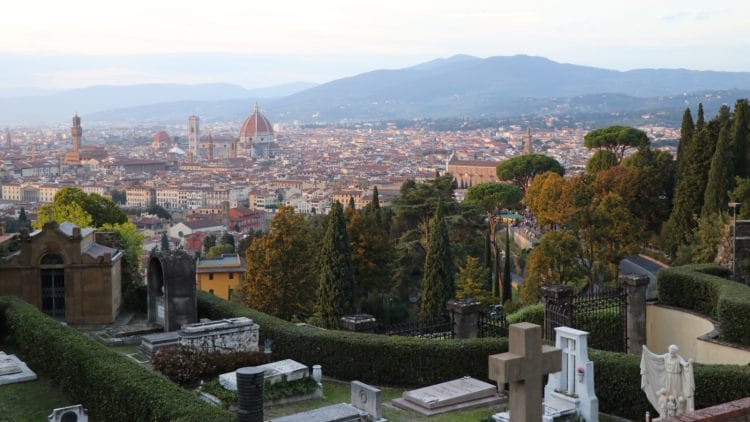
The Uffizi, Michelangelo’s David, and the Duomo are the best things to see in Florence, but also explore these top cultural sights, museums, and churches for more of Italy’s best art treasures.
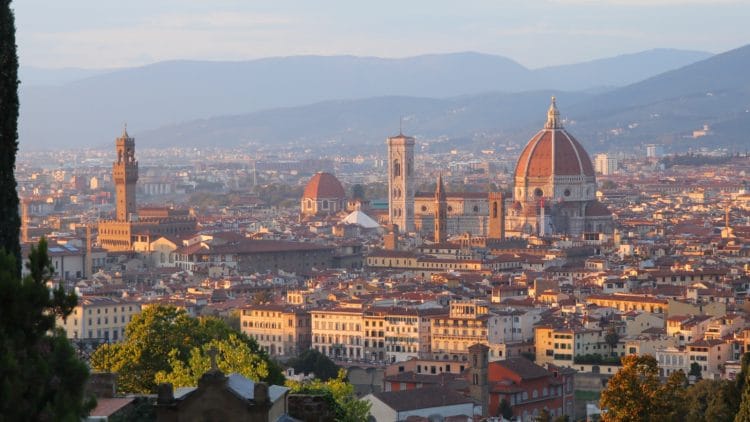
Florence is packed with Renaissance masterpieces — from Michelangelo’s David and the Uffizi Gallery to the Duomo complex — but the city offers far more than its three headline attractions. Firenze is strongly associated with the Renaissance, but visitors can easily explore any period from archaeology to modern commercial design.
The top art, museums, and churches of Florence are briefly described in this post — follow the links to more detailed descriptions of each venue, visitor information such as opening hours, and how to buy tickets. (Always reserve a time slot if the option is available!)
Quick navigation:
Jump directly to Top Three · Museums · Churches · Open Air · Tickets
Always Buy Reservation Tickets for Top Sights in Florence
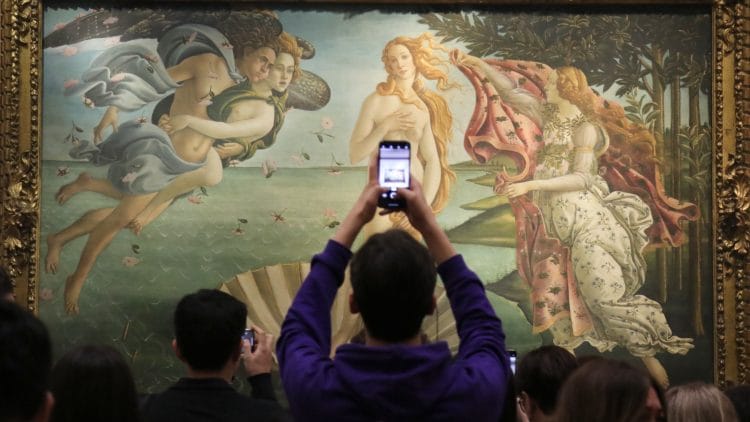
Opening hours at museums, top churches, and top sights in Florence are generally long, but so are the queues, all year round. Always book time slots when available — it is money well spent. It is more fun to spend time in a cafe, in a park, in bed, for that matter, than waiting unnecessarily in a slow-moving queue.
It is possible, and sensible, to buy tickets online for almost all sights in Florence. Sightseeing and museum passes, such as the Firenze Card and Turbopass, may give skip-the-line admission to many sights.
For combination tickets to really work, Uffizi and Galleria dell’Accademia (David) time-slot reservations must be included. Duomo sights are not included in any passes. Guided tours can save time and make logistics easier.
Top Three Sights to See in Florence
The top three cultural sights in Florence are the Accademia, the Uffizi, and the Duomo complex.
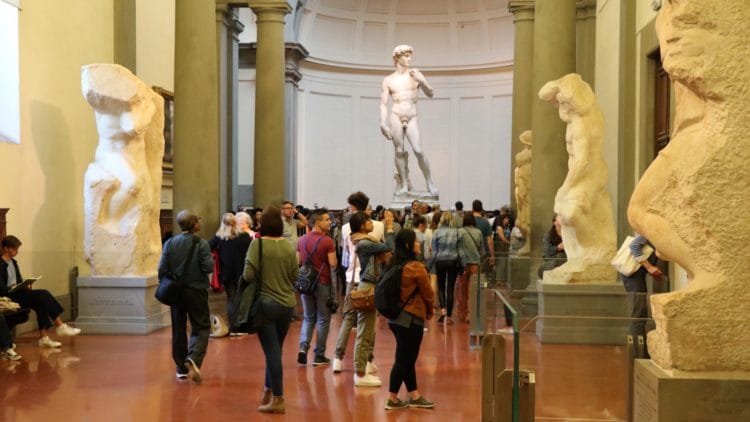
Galleria dell’Accademia di Firenze (David)
Michelangelo’s marble David is the top artwork to see in Florence. Without this world-famous masterpiece, few would visit the Galleria dell’Accademia. Visitors satisfied with the good marble copy outside the Pallazo Vecchio (or endless bad copies in souvenir shops) can save €20.
→ See the full guide to visiting the Galleria dell’Accademia (tickets and tips to avoid endless queuing).
Galleria degli Uffizi — Best Paintings and Sculptures
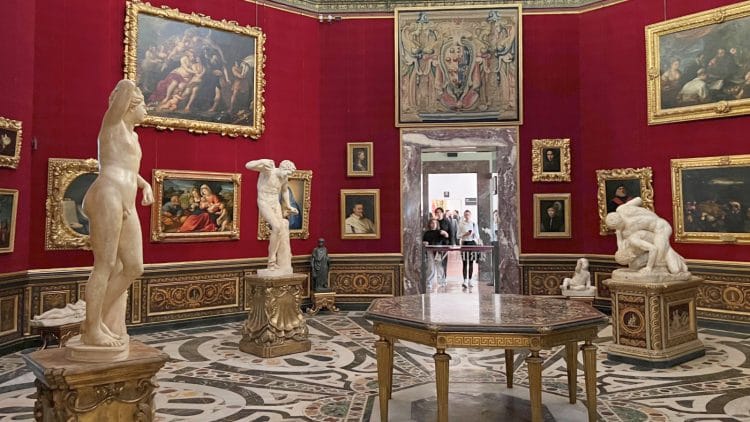
The Uffizi is one of the world’s best (and largest) museums of art, especially for Renaissance paintings. The best paintings (and ceilings) are in the first couple of rooms, with the best sculptures in the hallways. Superb individual works, deeper into the museum, may often be enjoyed without any crowds.
→ See Buy Skip-the-Line Tickets to Visit the Uffizi Art Museum for tips on visiting. First thing in the morning remains the best time to book; after 4 pm is cheaper. The hefty surcharge for the Vasari Corridor adds very little in terms of quality art.
Duomo — Cathedral Complex of Florence
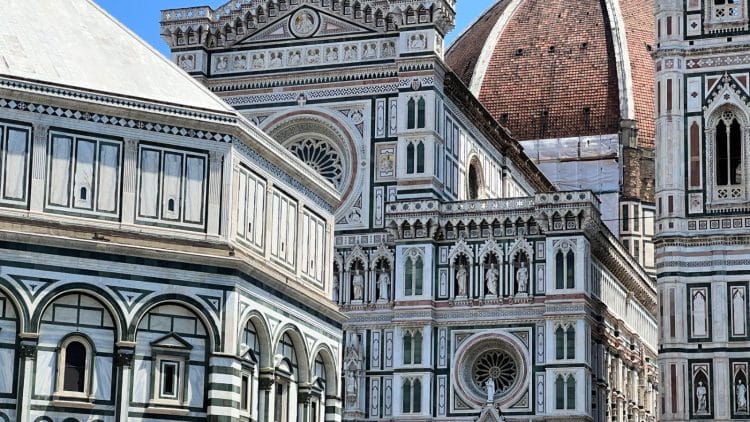
The Duomo is one of the highlights of visiting Florence. The best parts — the glorious exteriors of the cathedral, campanile, and the baptistery — are free.
Climbing the Brunelleschi Dome is fun but requires advance reservations, as does scaling Giotto’s bell tower — both experiences offer glorious views. The best original art is inside the museum — included in all tickets, yet rarely crowded.
→ Duomo sights are seen on combination passes — tickets are not sold for individual sights or included in any other passes.
Skip the (free) Duomo interior if queues are long — many other churches in Florence have much better art, as do the cathedrals of nearby Tuscan towns, including Pisa and Siena.
Top Museums to Visit in Florence
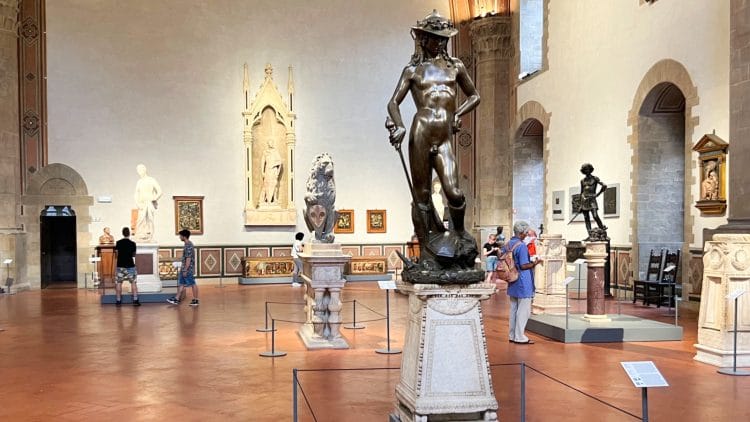
Florence rewards slow exploration. Even if you’ve “done” the big three sights, the smaller museums and churches often hold the most memorable experiences.
Top art museums to visit in Florence, in addition to the must-see Uffizi and Accademia Gallery, include:
- The San Marco Museum is famous for the frescoes and altarpieces painted by Fra Angelico. Try to visit early morning — rooms are small and corridors easily get crowded.
- The Bargello Museum — fine sculptures, including Donatello’s Davids, works by Michelangelo, and more by famous Italian Renaissance sculptors.
- The Laurentian Medici Library by Michelangelo in the San Lorenzo complex is only open weekday mornings (short hours), while more famous Michelangelo’s statues are in the crypt below the large Medici Chapels.
- The museum at the Orsanmichele Church displays the original exterior sculptures, including several by Donatello.
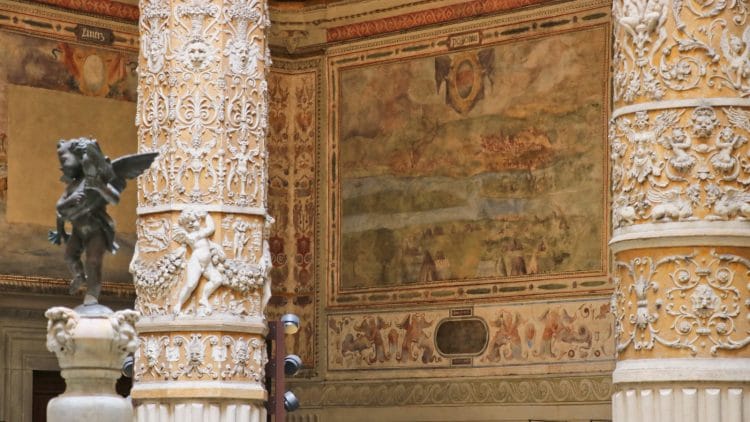
Several further major museums worth seeing in Florence include:
- The large Palazzo Pitti in Oltrano houses a variety of large museums. The Palatina has art that didn’t quite make it into the Uffizi (but many art galleries would kill to have these). Art here is part of the private palatial room decorations rather than hung by period. Further museums inside the palace cover modern art, coins, and fashion.
- Some ground-floor rooms of the Palazzo Vecchio are open for free, but the better art and monumental interiors require a ticket. Climbing the Torre di Arnolfo (best views) requires time-slot reservations.
- The Galileo Museum — a large museum near the Uffizi exit with a serious look at the history of scientific instruments, discoveries, and experiments. (Payback time for science lovers who accompanied art-loving partners to the Uffizi.)
- Many smaller museums have specialized themes and/or excellent temporary exhibitions. These are fun (and cheap) to simply pop in and have a quick look if included on the Firenze Card.
- Most of the churches mentioned below also have fine museums attached to the main church.
Best Churches to Visit to See Art in Florence
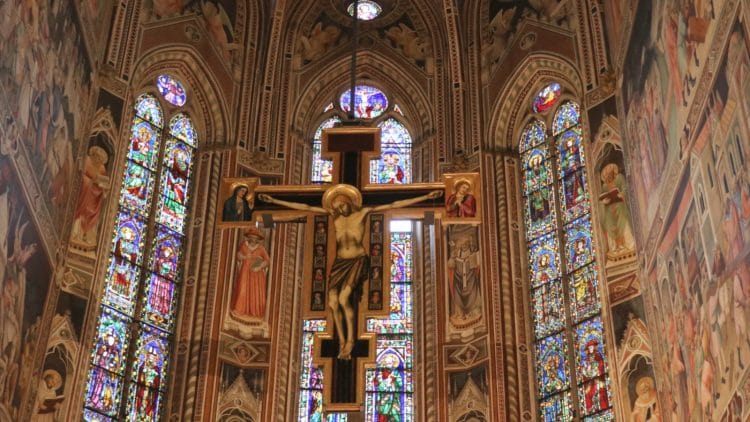
The following churches all charge admission and are mostly visited to see the art in the interiors, cloisters, and attached museums. All have better art and more interesting interiors than the free Duomo.
- The Basilica of San Lorenzo is the cradle of Renaissance art and architecture despite the lack of an external facade. The Laurentian Medici Library and the Medici Chapels (Michelangelo statues) have separate entrances, tickets, and opening hours.
- The Santa Maria Novella Church (near the train station) is filled with medieval and Renaissance Art. (The Renaissance facade is real — no 19th-century neo addition.)
- Orsanmichele is a small market church, but the real treasures are the original exterior sculptures in the small museum on the upper floor. (The exterior copies are also good.)
- The large Gothic Santa Croce is famous for its frescoes by Giotto and the Gaddis. It is also a pantheon of the Italian greats with several funeral monuments, including the graves of Michelangelo, Galileo Galilei, Machiavelli, and Rossini, as well as a cenotaph for Dante.
Admission to most other churches in Florence is free, making it often worth detouring into cool interiors to see some fine art. Many churches close for a few hours in the afternoon. Times are posted on the doors — a standard noon-to-four was always going to be too simple.
Churches in Oltrano
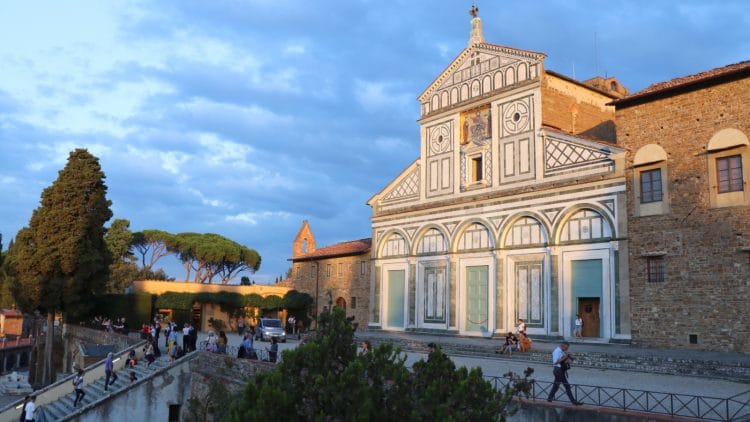
There are many small churches in the center, but three on the opposite bank of the Arno River are worth seeking out:
- Santo Spirito in Oltrarno is often missed, as it is just a block off the main drag from the river to the Palazzo Pitti. This large Renaissance church was the last project of Brunelleschi and has art by Michelangelo.
- The nearby Santa Maria del Carmine is free, but admission is charged (time-slot reservations are sensible) to see the magnificent (and recently restored) frescoes in the Brancacci Chapel.
- Parts of the small San Minato al Monte are over a thousand years old. It is worth a quick look when at the nearby Piazzale Michelangelo viewing point, or visit early evening for Gregorian chants.
Open Air Firenze
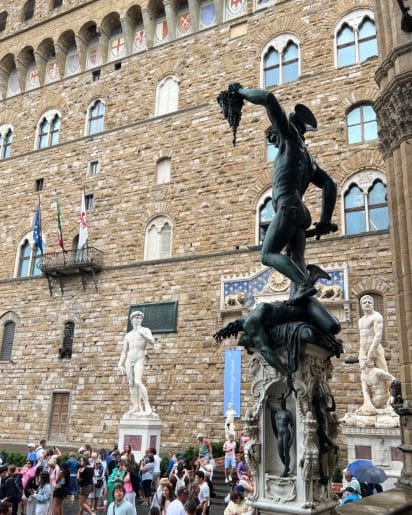
The Piazza della Signoria, with the emblematic Palazzo Vecchio, is the most famous square in Firenze. The sculptures of Michelangelo’s David and Donatello’s Marzocco (lion) in front of the old town hall are good copies. The original sculptures on the Loggia dei Lanzi include Cellini’s Perseus with the Head of Medusa, Giambologna’s Rape of the Sabine Women, and Menelaus Supporting the Body of Patroclus from antiquity.
The Ponte Vecchio, the old covered bridge with many small, mostly jewellery shops, is a popular attraction in Florence. The views of the bridge are as popular as the views from the bridge. The bridge is open 24/7, but the stalls are closed with wooden covers at night.
Central Florence features many pleasant pedestrian streets and squares, but very few green spaces. The Boboli Gardens behind the Palazzo Pitti are the best park in Florence. The Giardino di Boboli is enormous and filled with art and sculpted gardens — often with fine views of Florence. Keep tickets — they are often valid too at the small but exquisite garden of the Villa Bardini.
Best Panoramic Views of Florence
Visitors to Florence can enjoy excellent views of the city from many towers, including the campanile and cupola of the Duomo, the tower of the Palazzo Vecchio, or the top level of Orsanmichele, but the best views by far are for free. It is a steep walk (or easy bus ride) to Piazzale Michelangelo for the best views of Florence. The large piazza with a bronze sculpture of Michelangelo’s David and four sculptures from the Medici Chapels is particularly popular late afternoon and early evening.